
Safe Heart Surgery
Through a Small Incision
Rapid recovery in coronary bypass and heart valve surgeries with advanced minimally invasive and endoscopic surgical techniques without opening the chest bone.
Who is Dr. Taha Özkara?
Dr. Taha Özkara has performed over 1,400 successful open and keyhole heart operations throughout his 16+ years of clinical and surgical experience in cardiovascular surgery. Utilizing modern surgical approaches such as minimally invasive small incisions between ribs without cutting the breastbone and 3D high-resolution endoscopic camera guidance, he provides patients with minimal surgical trauma, negligible blood loss, and rapid postoperative recovery.

OUR TREATMENT AREAS
Minimally Invasive and Endoscopic Heart Surgery
Innovative cardiovascular surgical procedures performed through small incisions with high-definition endoscopic camera guidance without cutting the breastbone.

Endoscopic Coronary Bypass Surgery
Bypass surgery that restores blood flow around blocked heart arteries (CABG) through a small incision between the ribs without cutting the breastbone.
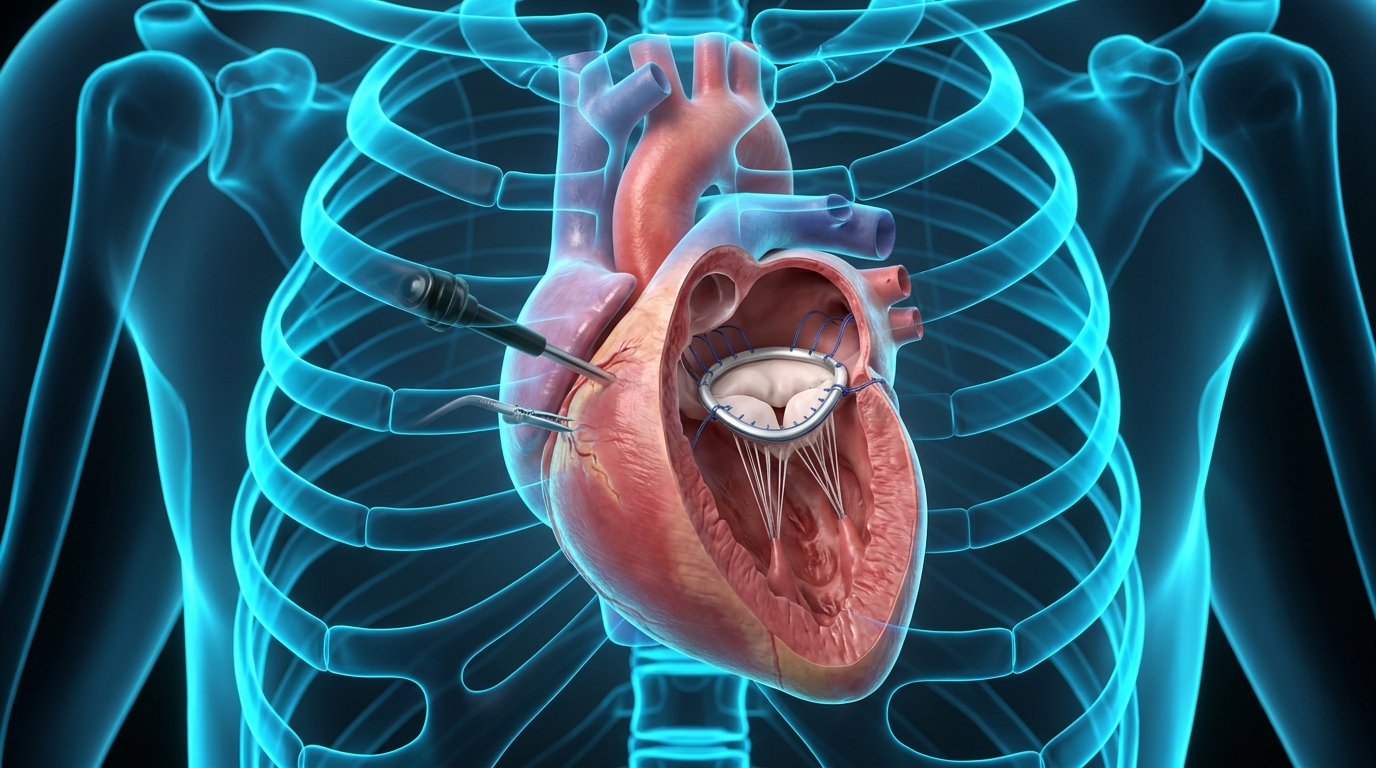
Endoscopic Mitral Valve Surgery
Mitral valve repair and replacement via small incision under the breast with high-definition 3D endoscopic camera guidance.

Endoscopic Aortic Valve Surgery
Aortic valve repair or replacement via mini-thoracotomy without cutting the breastbone in aortic stenosis or regurgitation.
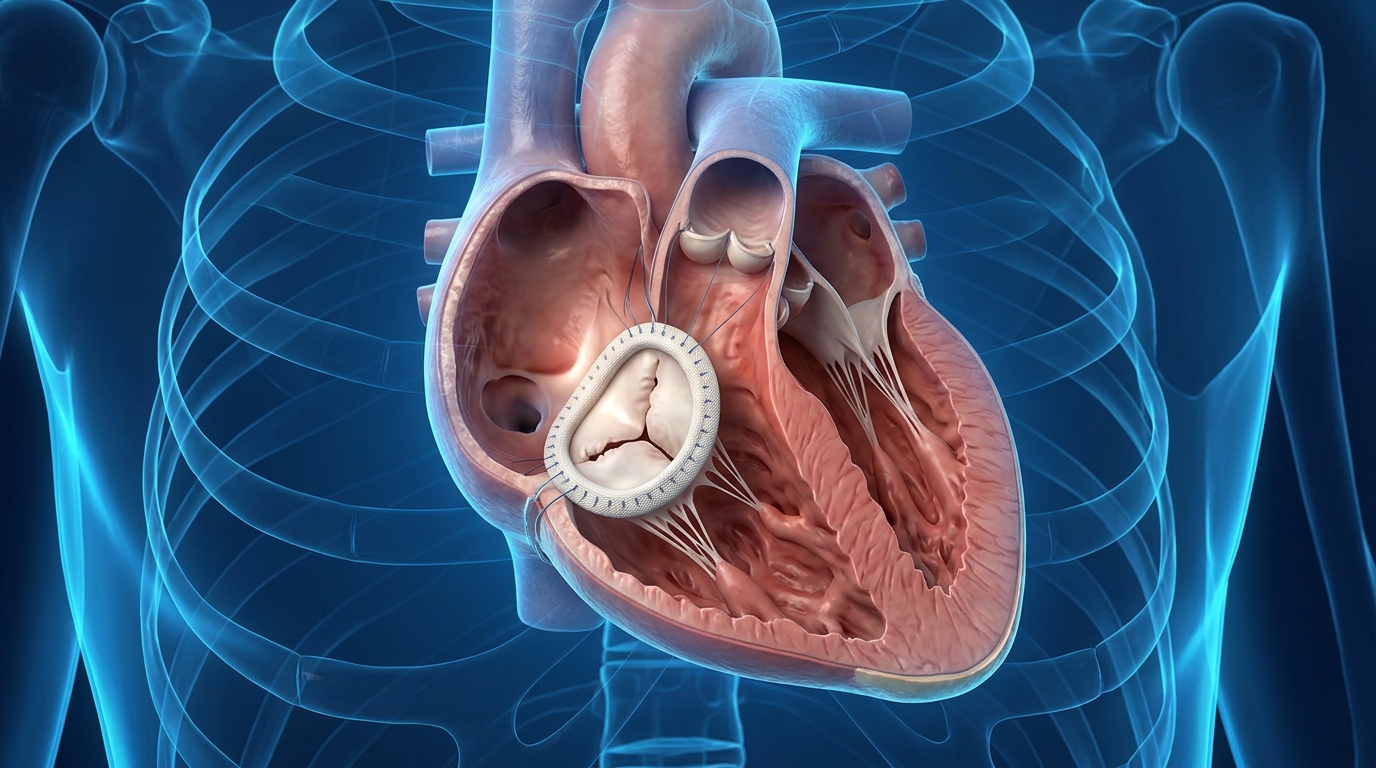
Endoscopic Tricuspid Valve Surgery
Closed annuloplasty ring repair and functional valve reconstruction for tricuspid regurgitation.

Minimally Invasive Aortic Surgery
Graft replacement of ascending aortic aneurysm via small incision without complete sternotomy.

Endovascular Aortic Repair (EVAR / TEVAR)
Complete aneurysm exclusion using angiographic stent-grafts via the groin without opening chest or abdomen.

Interventional Peripheral Vascular Disease
Balloon angioplasty, drug-eluting stents, and atherectomy for leg and arm arterial occlusions.

Endoscopic Congenital Heart Defect Surgery
Endoscopic repair of congenital cardiac anomalies such as ASD and VSD through axillary small incision.
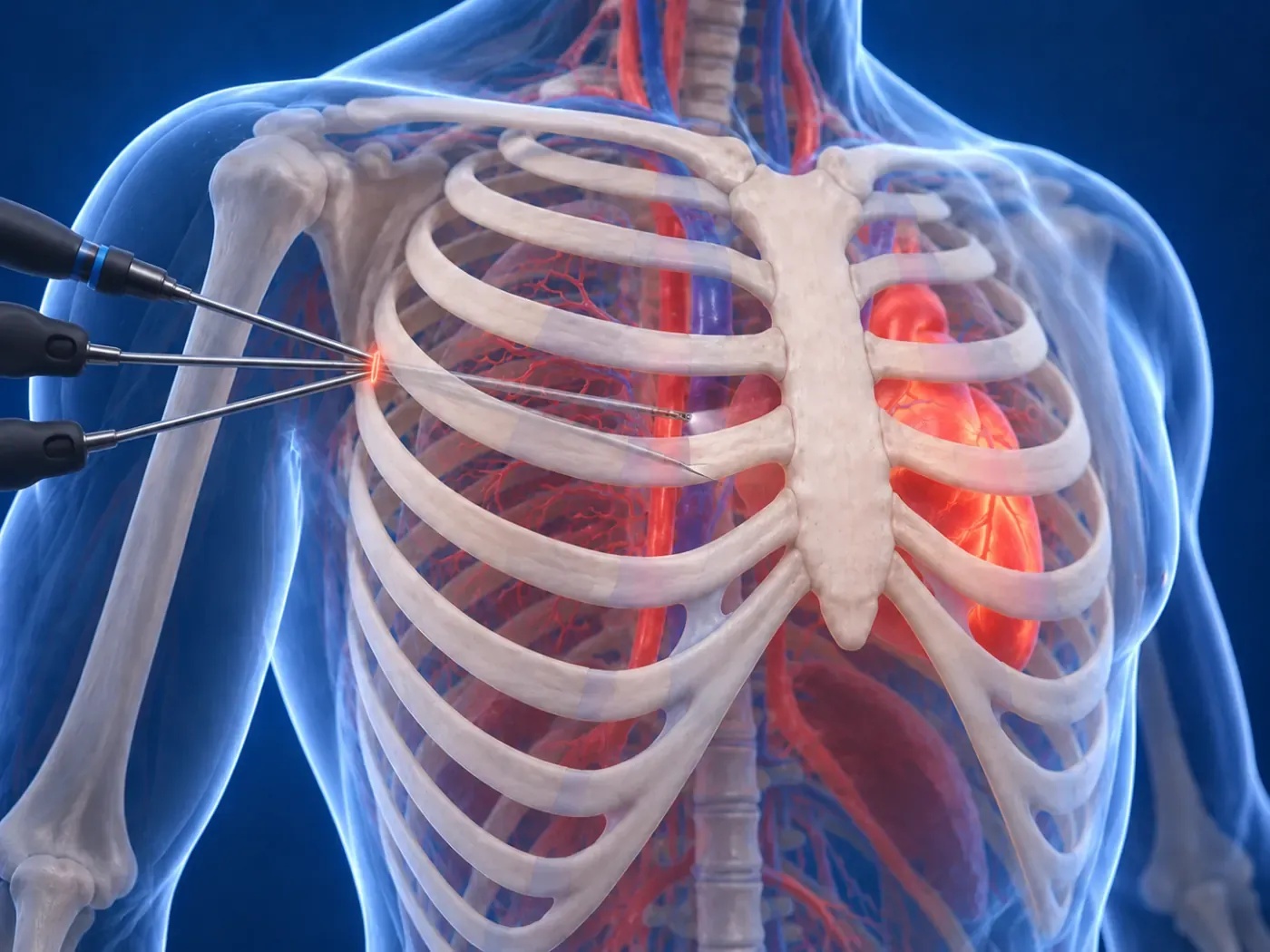
Endoscopic Cardiac Re-operations
Safe re-do cardiac operations through small incision without re-opening the breastbone in previous open heart surgery patients.


CLINICAL EXPERIENCE
Our Experience in Numbers
With over 16 years of cardiovascular clinical experience, micro-surgical techniques avoiding cutting through the breastbone (sternotomy), and a patient-centered approach, we deliver gold-standard safety in cardiac care.
Open & Closed Cardiac Surgeries
Cardiovascular operations successfully completed over 16+ years of specialized clinical career.
Small Incision Surgery
Surgical interventions performed between ribs without cutting the breastbone (no sternotomy).
Rapid Recovery & Discharge
Short ICU stay and early discharge, allowing quick return to social and professional life.
Natural Valve Repair Rate
Preserving the native heart valve without lifelong blood-thinner anticoagulation dependence.
PATIENT EXPERIENCES
Real Patient Recovery Stories
Verified feedback from our patients who regained their cardiovascular health through minimally invasive heart surgery without sternotomy.
FREQUENTLY ASKED
Frequently Asked Questions
Expert answers to the most common questions regarding minimally invasive heart surgery, recovery timelines, and surgical procedures.
RECENT ARTICLES
Health Guide & Medical Blog
Contemporary cardiovascular treatments, surgical innovations, recovery protocols, and heart health recommendations.



Dr. Taha Özkara: Minimally Invasive and Endoscopic Cardiac Surgery
Dr. Taha Özkara, with over 16 years of cardiovascular surgical experience and more than 1,400 successful open and closed operations, is a leading surgeon in minimally invasive (small incision) and endoscopic heart surgery in Turkey. Our core surgical principle is to minimize physical trauma by accessing the heart through small incisions between the ribs under high-resolution endoscopic visualization, completely avoiding cutting through the breastbone (sternotomy) required in traditional surgery.