
Endoscopic Aortic Valve Surgery
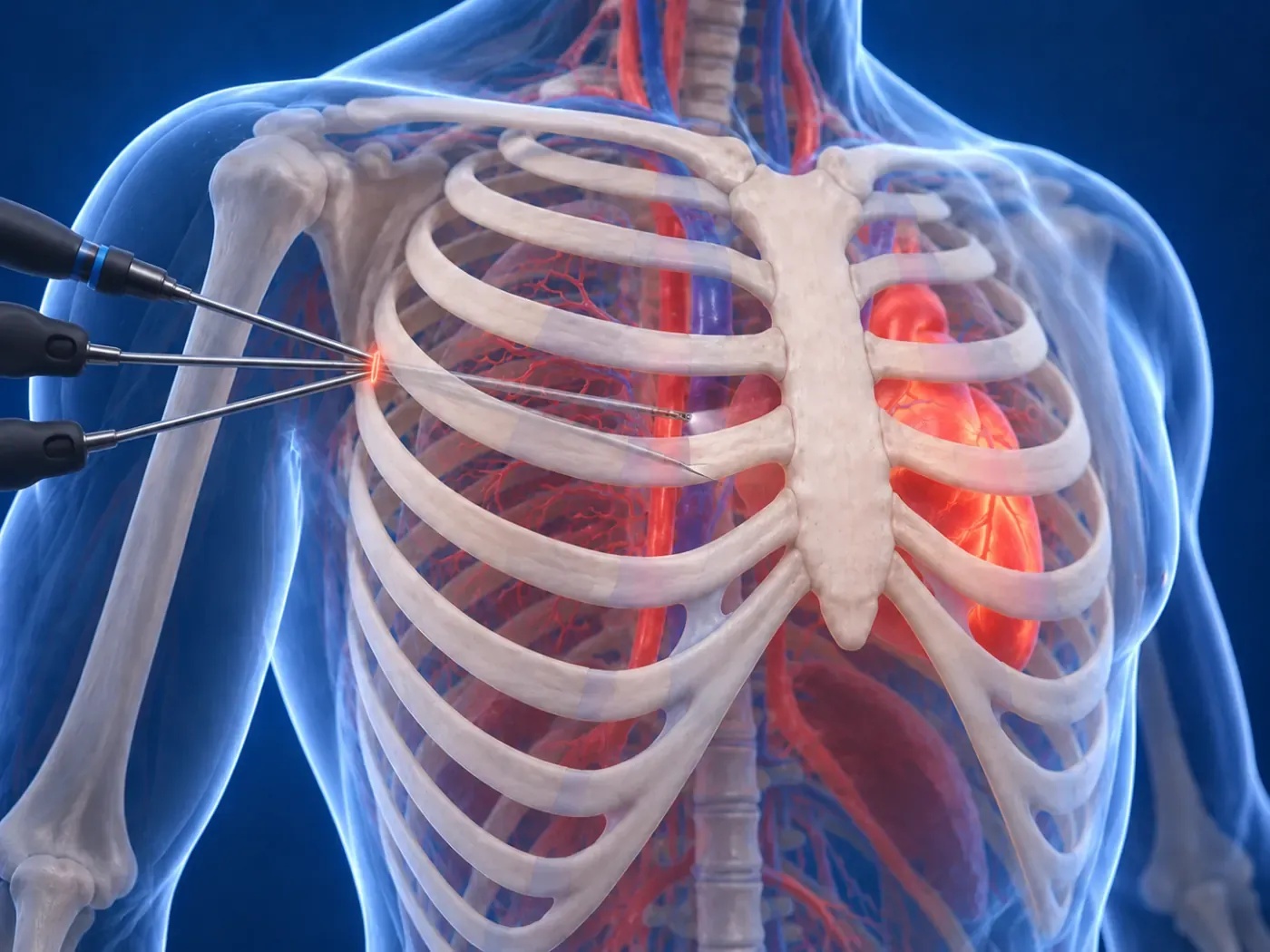
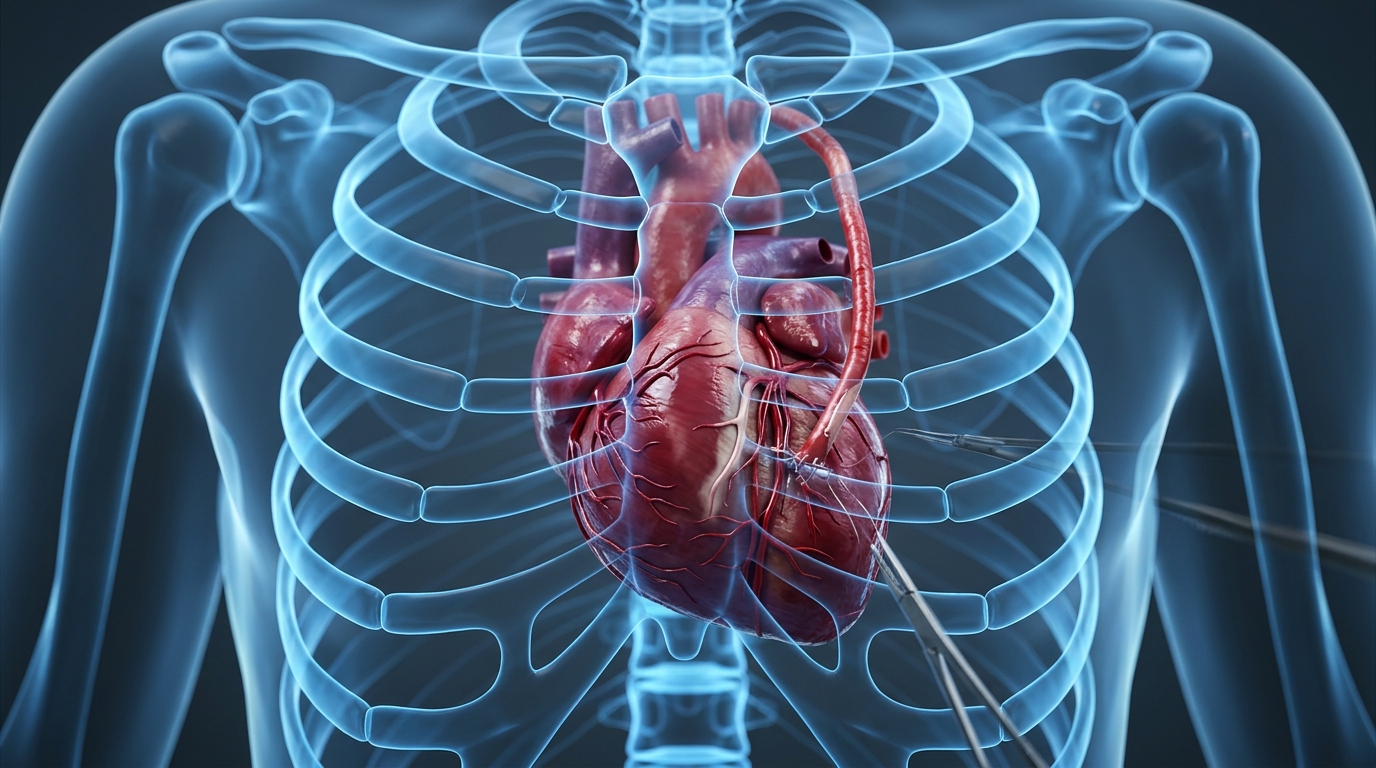
The aortic valve controls oxygen-rich blood flow from the heart into the aorta and the entire body. In modern cardiovascular surgery, endoscopic and minimally invasive aortic valve replacement or repair is performed through a small small incision via right anterior mini-thoracotomy or upper mini-sternotomy without cutting the entire ribcage.
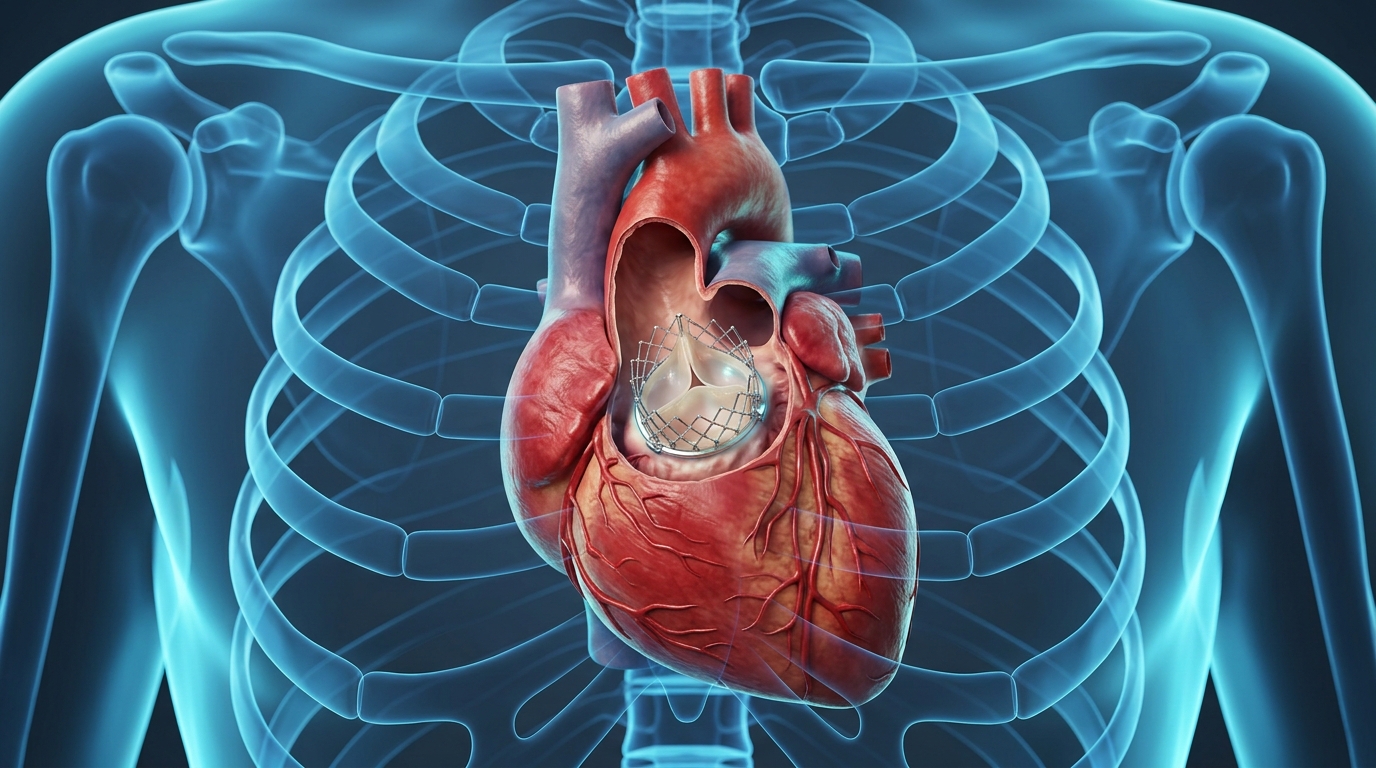
The aortic valve controls oxygen-rich blood flow from the heart into the aorta and the entire body. In modern cardiovascular surgery, endoscopic and minimally invasive aortic valve replacement or repair is performed through a small small incision via right anterior mini-thoracotomy or upper mini-sternotomy without cutting the entire ribcage.
Aortic Valve Pathologies: Stenosis, Regurgitation & The small incision Revolution
Aortic stenosis (calcification) and aortic regurgitation impose critical pressure or volume overload on the left ventricle. Untreated severe aortic stenosis carries an alarming mortality rate once symptoms like chest pain, shortness of breath, or syncope appear.
Preoperative multislice CT angiography and echocardiography precisely evaluate aortic annulus dimensions, calcification distribution, and coronary ostia heights, ensuring ideal suitability for small incision access.
Surgical Technique: Mini-Incision, Rapid-Deployment & Sutureless Valves
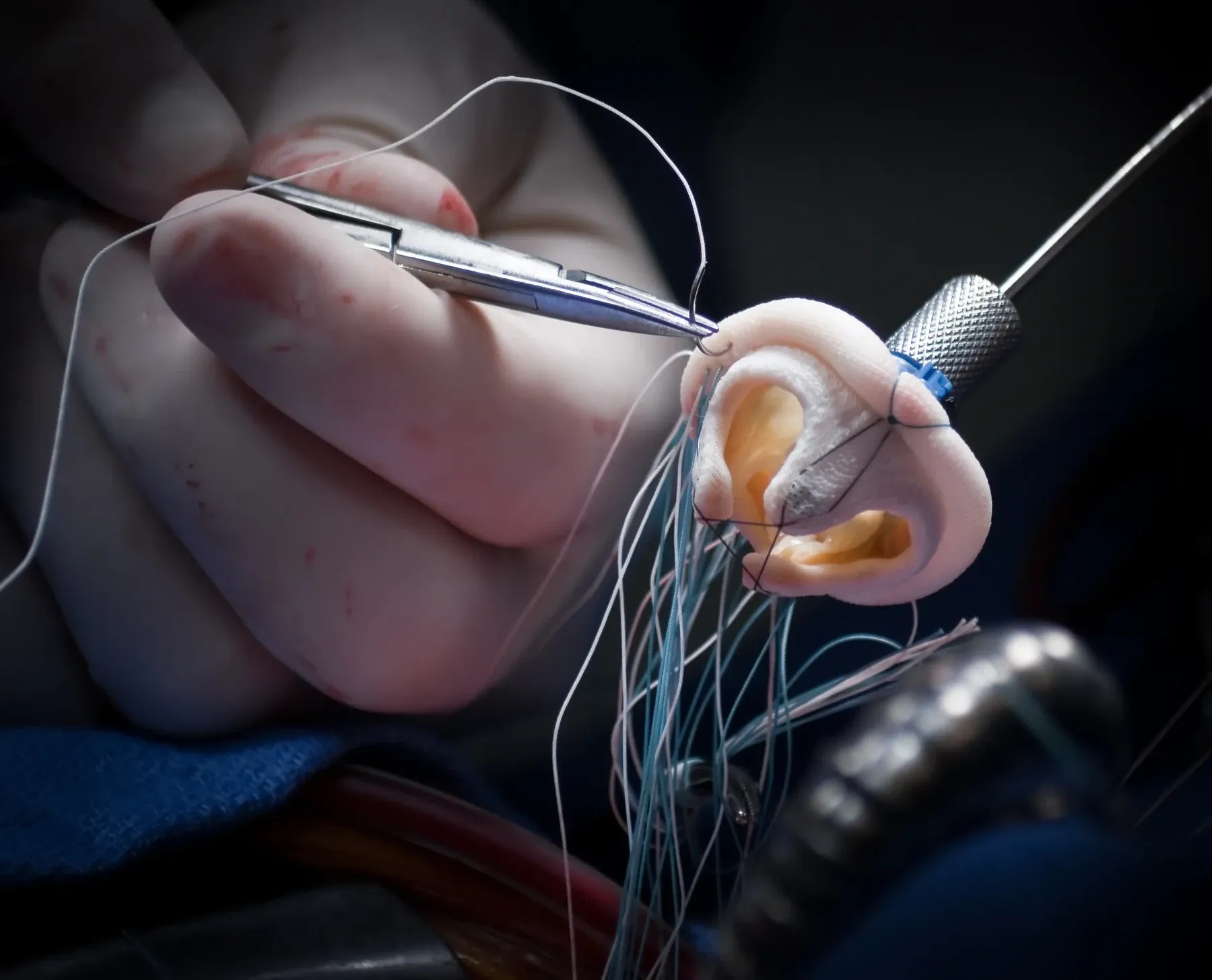
through a small incision in the 2nd intercostal space, the calcified native aortic valve is meticulously debrided under high-definition optical magnification without fracturing the sternum.
State-of-the-art sutureless (rapid deployment) biological valves or durable mechanical prostheses are placed with exceptional accuracy. Sutureless technology significantly shortens cross-clamp and operative duration, minimizing surgical stress.
Clinical Safety & Rapid Recovery in Elderly and High-Risk Patients
Minimally invasive aortic surgery dramatically lowers morbidity, making it an outstanding treatment option:
- Chest bone is not fully cut; ribs and thoracic mechanics remain completely intact.
- Greatly reduced surgical bleeding, lowering transfusion rates close to zero.
- Substantially reduced risk of pulmonary complications and deep wound infections.
- No requirement for rigid chest braces or restriction to sleeping strictly on the back.
- Intensive care stay is typically 24 hours, with discharge home in 3 to 4 days.
- Return to active social life, driving, and work within 10 to 14 days.
Recovery Period, Quality of Life, and Patient Eligibility
Because respiratory biomechanics are preserved, elderly patients and those with COPD or diabetes mobilize rapidly on postoperative day one without chest wall instability.
Virtually all patients requiring isolated aortic valve replacement are candidates for small incision surgery. Send your echocardiography and CT scans for a personalized evaluation.
FREQUENTLY ASKED
Frequently Asked Questions
Expert answers to the most common questions regarding minimally invasive heart surgery, recovery timelines, and surgical procedures.
TREATMENT TIMELINE
Your 4-Step Surgical Journey
Tetkiklerinizin incelenmesinden ameliyat sonrası aktif yaşama dönüşünüze kadar geçen 4 aşamalı konforlu ve güvenli cerrahi yolculuğunuz.
Preliminary Review
Comprehensive analysis of your Echo, Angiography, and CT scans.
Tailored Plan
Individual surgical strategy without sternotomy.
Endoscopic Surgery
High-precision closed operation with 3D camera guidance.
Swift Recovery
Discharge in 3-4 days and fast return to normal life.
OUR TREATMENT AREAS
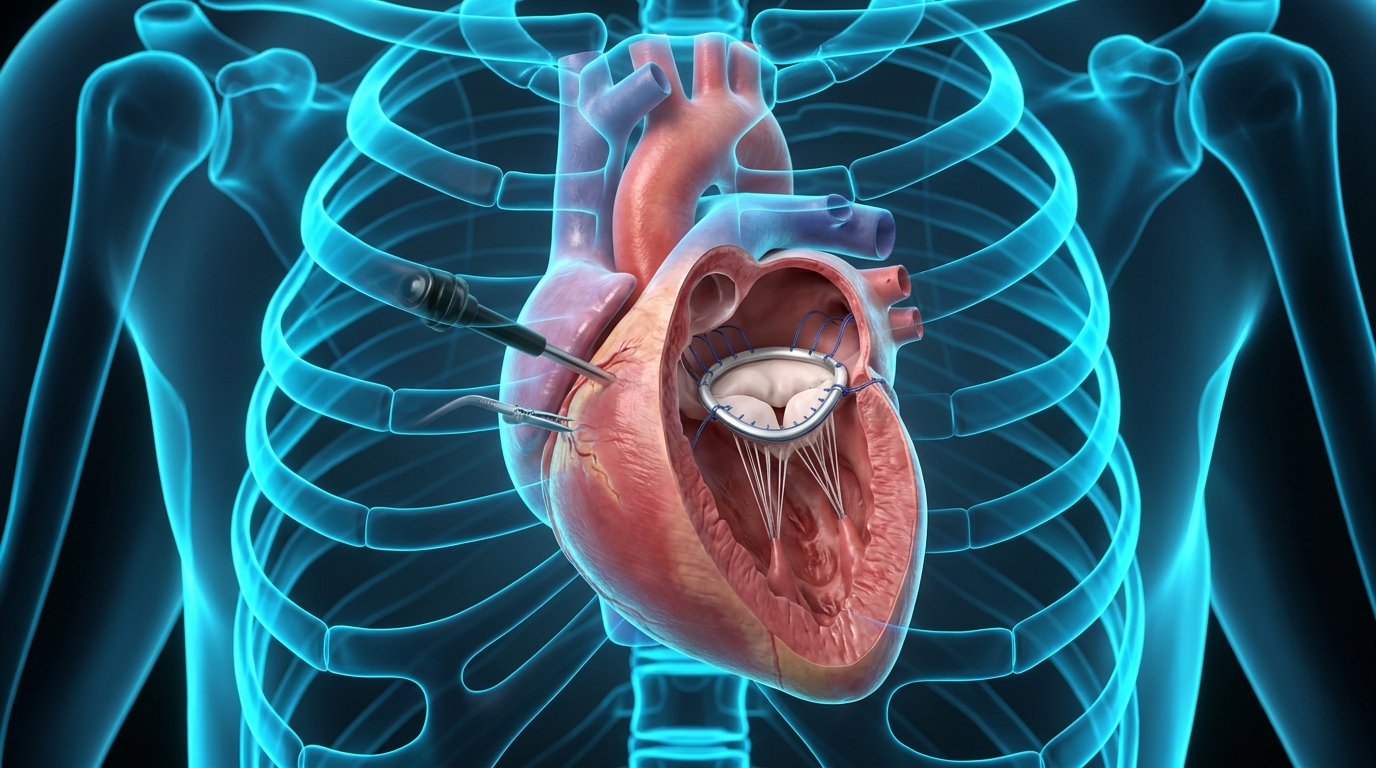
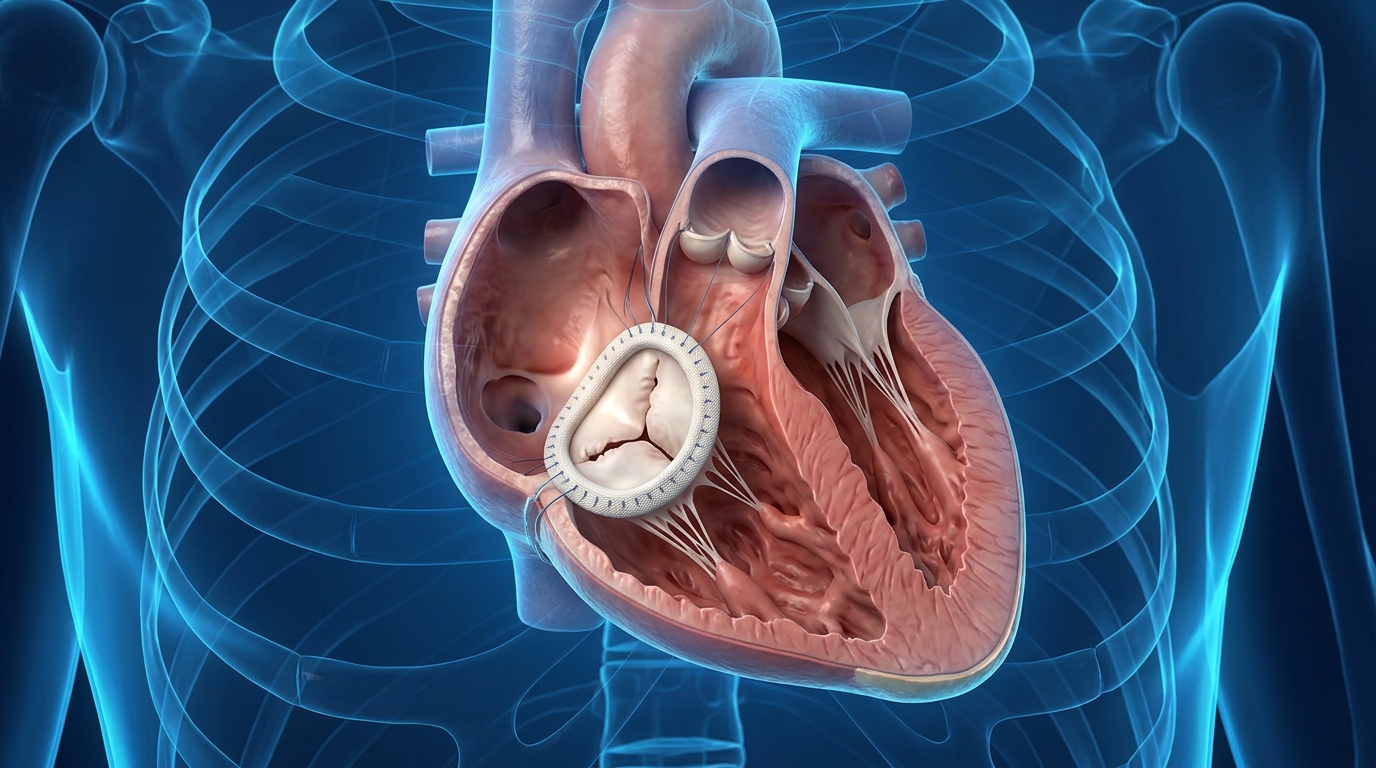
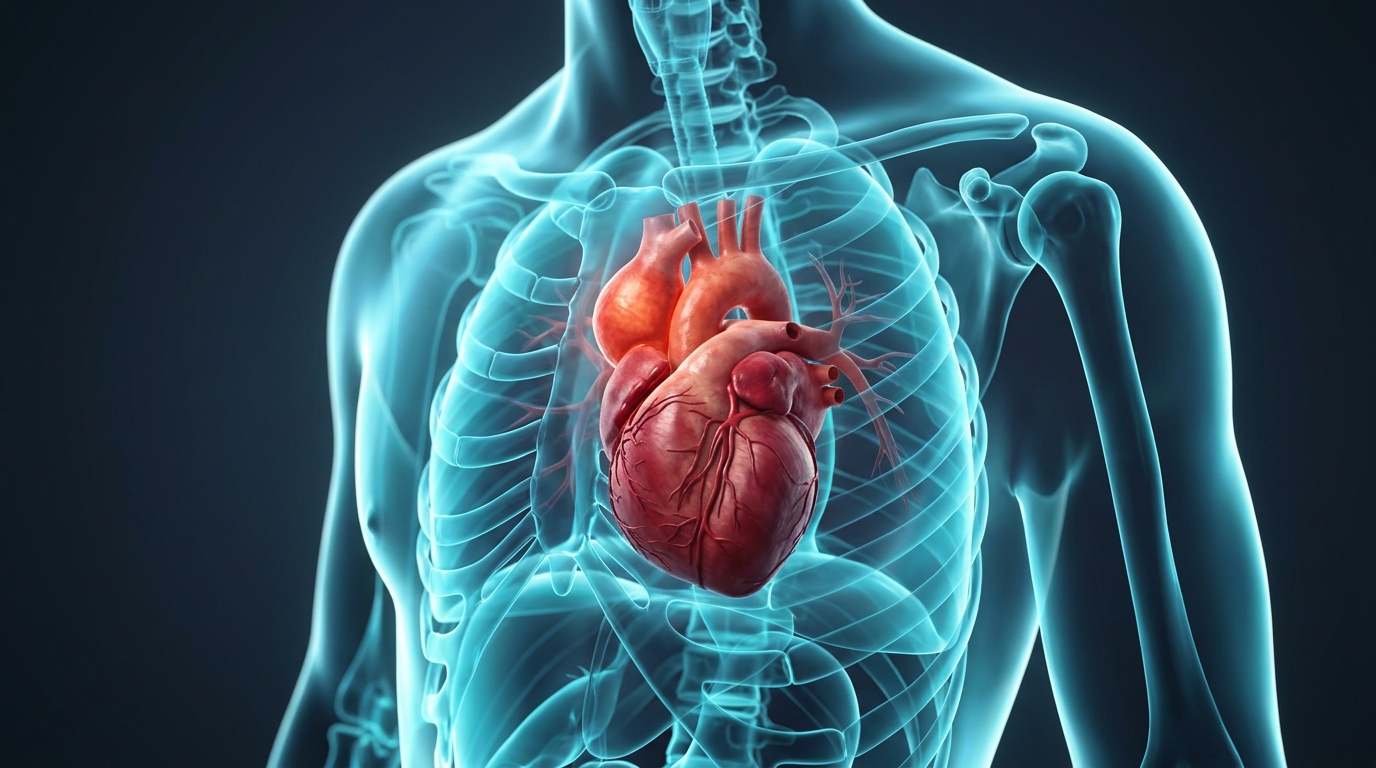
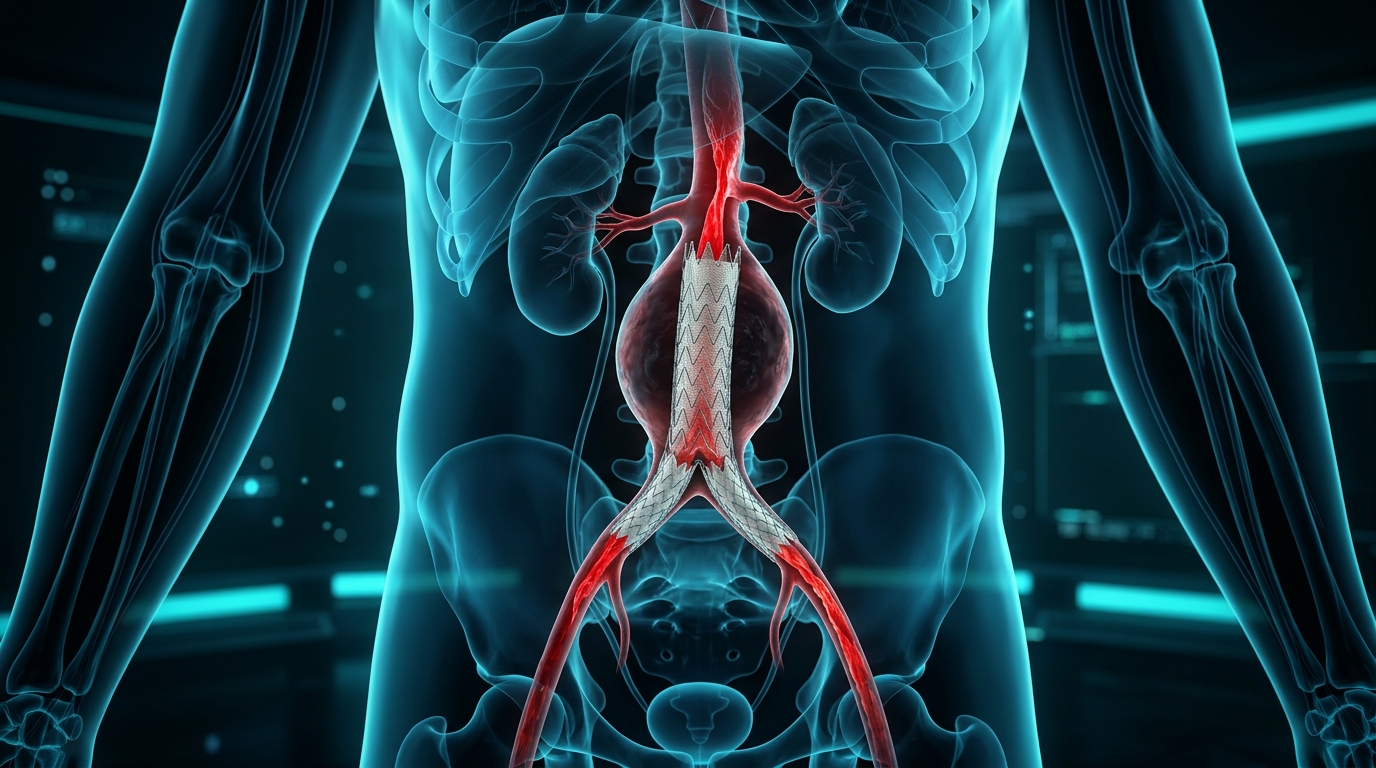
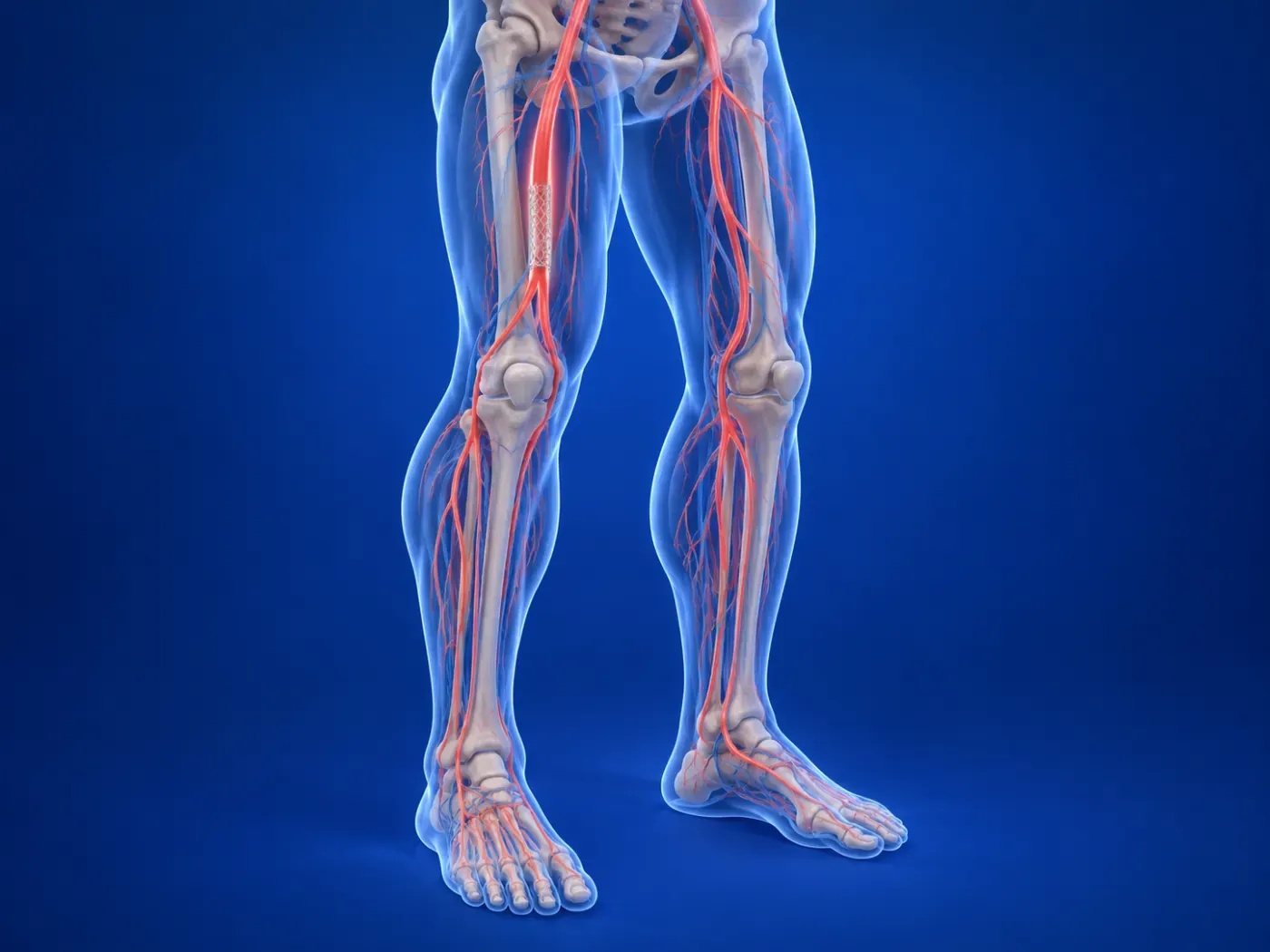
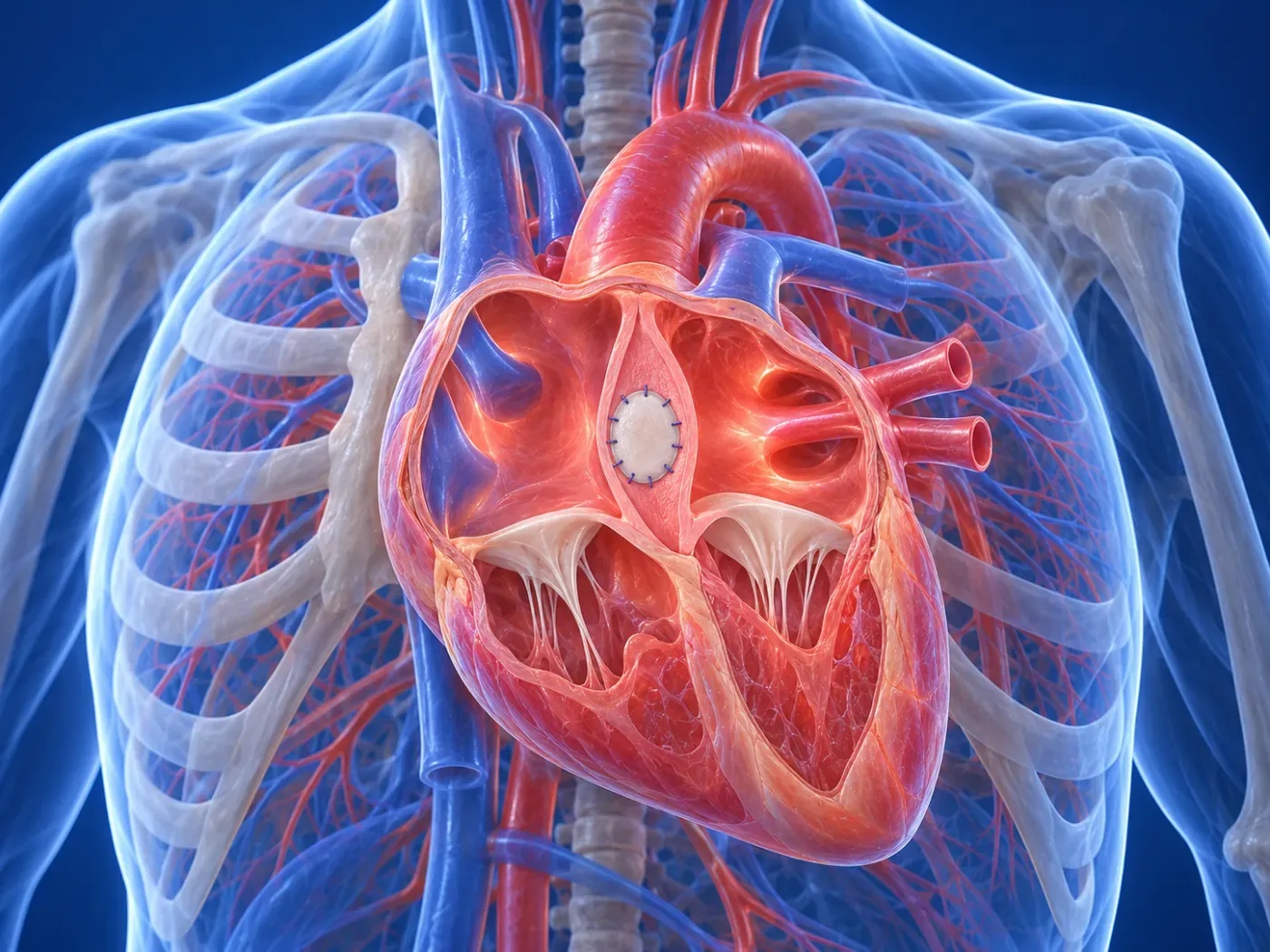
Minimally Invasive and Endoscopic Heart Surgery
Innovative cardiovascular surgical procedures performed through small incisions with high-definition endoscopic camera guidance without cutting the breastbone.
EXPERT OPINION & APPOINTMENT
Schedule a Medical Consultation
Book your appointment for minimally invasive heart surgery, valve repair, and second opinion consultation.